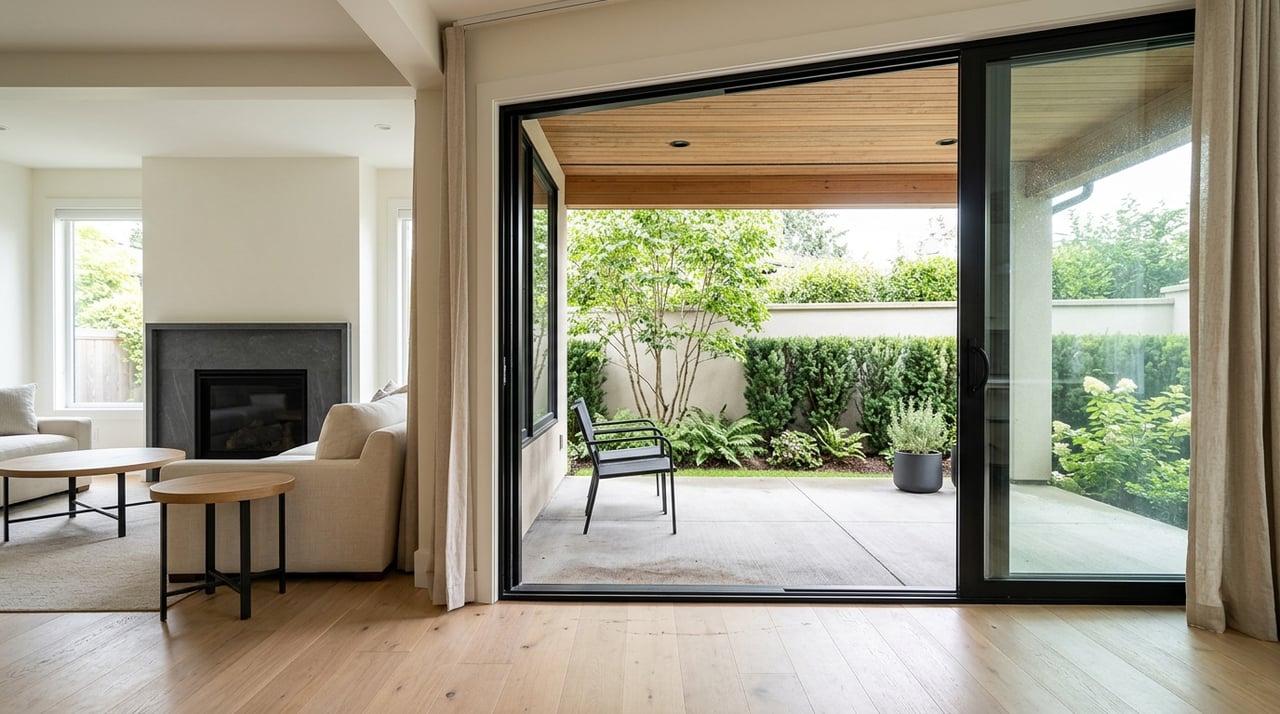
Living in Seattle: Find Your Suburban-Friendly Lifestyle
If you love the idea of Seattle but do not want a fast-paced, always-on city routine, you are not alone. Many buyers want access to jobs, dining, parks, and transit, while still keeping a calmer day-to-day lifestyle. The good news is that Seattle can support exactly that when you look at the city through its neighborhood pockets, green space, and easy regional connections. Let’s dive in.
Seattle is often talked about as one big urban experience, but that leaves out how neighborhood-based daily life can be here. In practice, many residents build routines around local parks, nearby business districts, and easy transit options instead of constant downtown activity.
That lifestyle is easier to picture when you consider the city’s outdoor access. Seattle Parks and Recreation maintains more than 485 parks, giving you frequent options for walks, play time, shoreline access, and simple weekend resets. The rebuilt Waterfront Park also adds a 20-acre public space with free programming, art, and pedestrian connections to Pike Place Market and the ferry terminal.
A suburban-friendly lifestyle in Seattle usually means a few practical things. You may want quieter evenings, more residential surroundings, easier parking, nearby green space, and a routine that does not depend on being in the center of downtown.
It can also mean having choices. You might want a neighborhood where you can take a walk after dinner, spend weekends near the water, or hop on transit when you want to reach another part of the city or region without making every trip feel like a production.
Magnolia is one of the strongest examples of a suburban-leaning Seattle neighborhood. The city describes it as a peninsula neighborhood that is distinct and somewhat isolated from the rest of Seattle, with roots as a streetcar suburb and a primarily residential character.
That translates into a more contained everyday rhythm for many residents. You get a village-like commercial center, bluff-top views along Magnolia Boulevard, and easy access to Discovery Park, which includes 560 acres of open space, beaches, and trails. If you want Seattle access with a little more breathing room, Magnolia is worth a close look.
West Seattle is a strong fit if you want a residential routine without giving up connection to the rest of the city. The area around Alaska Junction often appeals to people who like local businesses, neighborhood structure, and more of a lived-in, everyday feel.
Seattle’s West Seattle Neighborhood Greenway was designed to connect residents with parks, local businesses, and the broader transportation network while prioritizing lower traffic volumes and slower speeds. For downtown access, the King County Water Taxi typically connects West Seattle and downtown in about 10 to 15 minutes each way, which can make a car-light routine feel much more realistic.
If you want a neighborhood feel without giving up rail access, Columbia City deserves attention. Seattle describes the area as a historic district with commercial buildings, churches, apartments, and houses centered around a village green, and notes that it preserves a small-town atmosphere tied to its early roots.
That mix is a big part of its appeal. Columbia City has a pedestrian-oriented layout and sits on the 1 Line, which makes it a practical option if you want a calmer home base with direct transit connections. For many buyers, that balance can be hard to find.
Seward Park is a great match if your ideal routine is built around outdoor time rather than nightlife. The park itself includes 300 acres of forest land, old-growth trees, shoreline, beaches, hiking trails, and a 2.4-mile bike and walking path, according to Seattle Parks.
That kind of setting can shape your week in a very different way. Instead of always planning bigger outings, you may find that a quick lake walk, picnic, or shoreline stop becomes part of normal life.
Green Lake is a good example of a denser Seattle setting that still supports a structured, outdoor-forward routine. The lake’s 2.8-mile loop draws thousands of people daily, and the city has also added safer walking and biking connections while lowering speeds on nearby streets, according to Seattle Parks.
If you like activity and convenience but still want a park-centered lifestyle, Green Lake can be a strong option. It tends to work well for people who want to stay active without needing a large lot or a quieter-edge location.
One reason this lifestyle works better today is that Seattle’s transit system gives you more reach. According to Sound Transit, the Link system now spans 63 miles and 50 stations, with the 1 Line and 2 Line generally running from about 5 a.m. to midnight daily and offering frequent service.
That network connects Seattle with Bellevue, Redmond, the airport, Federal Way, Lynnwood, and communities in between. So if you live in a quieter Seattle neighborhood, you do not have to feel cut off from the rest of the region.
You can review current Link light rail stations to better understand how specific neighborhoods line up with your routine.
A suburban-friendly lifestyle is not just about where you sleep. It is also about how easy it is to recharge, get outside, and enjoy your surroundings without a lot of planning.
Seattle does this especially well through its parks and shoreline spaces. Waterfront Park is open daily and offers free programming like live music, performances, festivals, yoga, and soccer, while connecting pedestrians to Pike Place Market, the Seattle Ferry Terminal, restaurants, stores, and public art.
Beyond the waterfront, larger park spaces give the city a more livable feel. Discovery Park offers secluded beaches, meadow land, sea cliffs, and forested trails, while Seward Park and Green Lake support regular walking, biking, and low-key recreation. That blend helps Seattle feel active without forcing you into a nonstop lifestyle.
For many buyers, suburban-friendly also means being able to leave easily. Whether you are heading to the Eastside, catching a ferry, visiting north of Seattle, or flying out of town, mobility matters.
Seattle has several options that support that flexibility. King County Water Taxi serves downtown Seattle, West Seattle, and Vashon Island, while Washington State Ferries lists Seattle/Bainbridge Island and Seattle/Bremerton among its routes. The Port of Seattle also notes that SEA Airport connects to Link light rail through a Train-to-Plane shuttle, making regional and air travel more convenient without relying only on daily driving.
The best neighborhood for you depends on what “suburban-friendly” really means in your daily life. Some buyers want more space and a quieter residential setting, while others want a walkable district and strong transit access with parks doing most of the lifestyle heavy lifting.
As you compare areas, think about questions like these:
When you focus on the rhythm of your life instead of just a map search, Seattle becomes much easier to understand.
You do not have to choose between city access and a calmer routine. In Seattle, neighborhoods like Magnolia, West Seattle, Columbia City, Seward Park, and Green Lake show that you can stay connected to work, culture, and regional travel while still building a lifestyle that feels grounded and manageable.
If you are weighing where that balance looks best for you, Diana Patterson can help you compare Seattle neighborhoods with a calm, practical approach that keeps your daily life goals front and center.

Ready for a no-stress, first real estate experience? Connect with the Patterson Real Estate Team and take your next move with clarity and confidence.