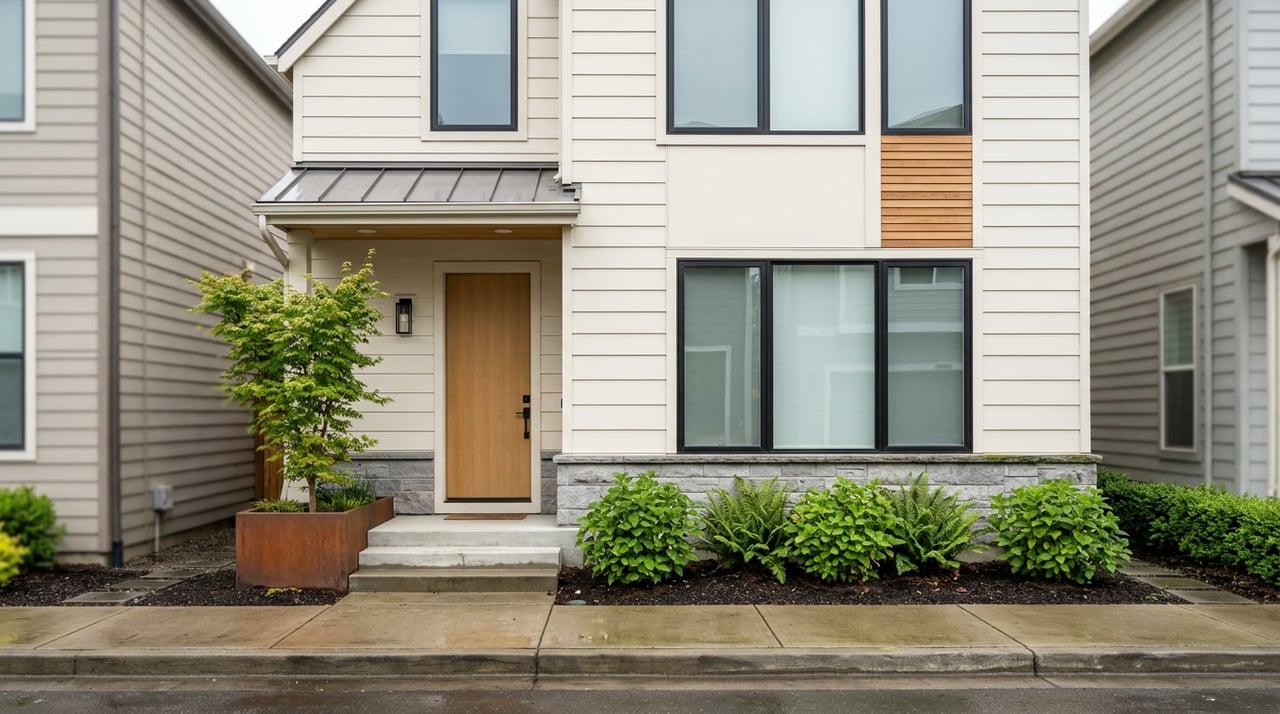
Everyday Life Around Downtown And Waterfront Kirkland
Curious what it really feels like to live near downtown and the waterfront in Kirkland? For many buyers, the question is not just about home prices or square footage. It is about daily rhythm, how easy errands feel, and whether a neighborhood fits the life you want to build. If you are exploring this part of Kirkland, here is a practical look at what everyday life can look like, from walkability and lake access to housing mix and transit. Let’s dive in.
One of the clearest themes around downtown Kirkland is how much daily life is built around being on foot. City planning describes Greater Downtown as a compact, walkable, pedestrian- and transit-oriented urban center. In everyday terms, that can mean shorter trips for coffee, dining, errands, and waterfront time.
The downtown core also blends shops, locally owned coffee spots, spas, and restaurants in a pedestrian-friendly setting. The city’s planning materials point to an extensive network of pedestrian pathways that connect residential, recreational, and commercial areas. If you enjoy the idea of leaving the car parked and handling part of your day on foot, this area stands out for that kind of convenience.
Downtown Kirkland also has a strong civic center feel. Peter Kirk Park sits near the Kirkland Transit Center, the Kirkland Library, the Kirkland Performance Center, and a municipal garage. That cluster helps the area feel connected and active instead of spread out.
For you as a resident, that can make ordinary routines feel simpler. You might grab coffee, stop at the park, head to the library, or catch a bus connection without covering much distance. It gives the downtown core a practical, lived-in feel that goes beyond shopping and dining.
Park Lane adds to that walkable experience. The city describes it as a pedestrian-oriented corridor linking Marina Park on the waterfront with Peter Kirk Park in central downtown. It helps tie together two of the area’s most recognizable public spaces.
That matters because everyday neighborhood feel often comes down to small details. A corridor designed for strolling, shopping, and dining can make the area feel more social and easier to enjoy at a slower pace. If you picture spontaneous walks by the water or an easy evening out nearby, Park Lane helps support that lifestyle.
The waterfront is not just a backdrop in downtown Kirkland. It is part of daily life. Marina Park sits in the heart of downtown and includes a sandy beach, boat launch, moorage, public art, an open-air pavilion, and broad views across Lake Washington toward Seattle.
That mix gives the area a strong sense of place. Some days, the waterfront may simply be where you take a walk or sit by the lake. Other days, it can be the center of recreation, community events, or time spent with friends and family outdoors.
If access to the water matters to you, Marina Park offers more than scenery. The city notes seasonal boat-launch access along with year-round moorage at the Marina Park Dock and 2nd Avenue South Dock. That makes the waterfront feel active and functional, not just picturesque.
For buyers who enjoy boating or want to stay close to that kind of recreation, this is an important detail. It means the lake is part of the area’s real day-to-day identity. You are not just living near water. You are living near public access to it.
Downtown and Marina Park may get the most attention, but they are not the only outdoor options nearby. Heritage Park, close to downtown, offers open green space and an interpretive walk. Juanita Beach Park adds another shoreline experience with 1,000 feet of Lake Washington frontage and launch access for kayaks, paddleboards, and other personal watercraft.
The Cross Kirkland Corridor adds even more range. This 5.75-mile trail runs through the heart of Kirkland and connects the downtown experience to broader walking and biking routes. If you value outdoor access as part of your weekly routine, this wider park and trail network adds real appeal.
Like many waterfront areas, downtown Kirkland changes with the seasons. Summer is especially active. In 2026, the Kirkland Wednesday Market returns to Marina Park from June through September, bringing local farmers, artisanal foods, baked goods, handmade arts and crafts, and live community energy to the waterfront.
Marina Park is also home to the city’s Summer Concert Series. These events can shape how the area feels during warmer months, adding activity and a stronger sense of community gathering. If you like the idea of being near public events and seasonal energy, summer around downtown Kirkland has a lot going on.
Celebrate Kirkland is another major part of the annual rhythm. The city describes it as a Fourth of July parade and community celebration that runs through the downtown business district, with Marina Park included in the event footprint. It is one more example of how downtown and the waterfront work together as shared public space.
The city’s events calendar also includes youth and family programming at Lake Washington parks, such as Kids Summer Concerts. That helps show the area stays active beyond just one or two headline events. For many buyers, that kind of recurring public programming adds to the feeling that a place is easy to plug into.
If you are thinking about buying near downtown Kirkland, it helps to know that the housing pattern is not one-size-fits-all. According to the city, Kirkland’s housing inventory includes single-family homes, apartments, condominiums, and mixed-use developments. That variety is especially relevant in and around Greater Downtown and Moss Bay.
City planning materials describe this area as a mix of downtown retail, offices, established single-family areas, large-scale multifamily development, a marina, and the Cross Kirkland Corridor. In practical terms, that means you may find very different housing types within a relatively small area. Your experience can vary a lot depending on how close you are to the core, the waterfront, or surrounding residential blocks.
Downtown Kirkland is not frozen in time. The city notes that new multifamily and mixed-use projects have been required to include affordable housing units since 2010. Long-range planning also continues to focus on more middle housing and more housing near transit.
For you, that can mean two things. First, the area already offers a broader range of housing choices than many people expect. Second, it is reasonable to think the neighborhood will continue to evolve over time, especially around transit access and close-in housing opportunities.
Transportation is another big part of everyday life here. The Kirkland Transit Center sits only a few blocks from downtown, and King County Metro shows service from that center on routes including 230, 231, 239, 245, 250, and 255. Sound Transit also describes the center as an important regional hub supporting connections to downtown Kirkland attractions and business activity.
That gives you options. If you work elsewhere on the Eastside or want alternatives to driving, the location supports that flexibility. Even if you still expect to drive often, having transit nearby can be a meaningful quality-of-life benefit.
The city’s planning vision continues to emphasize a compact, transit-oriented downtown. King County Metro says the planned RapidRide K Line is intended to connect Totem Lake Transit Center, downtown Kirkland, downtown Bellevue, and Eastgate by 2030. That points to even stronger regional connectivity in the years ahead.
For buyers trying to think long term, planned transit matters. It can shape convenience, commuting patterns, and how connected a neighborhood feels over time. Around downtown Kirkland, the direction is clearly toward more options rather than fewer.
Even with the area’s walkable design, driving has not disappeared from the picture. The city provides downtown parking guidance and notes a mix of free, paid, and ADA-accessible parking options. That can be helpful for residents, guests, and anyone balancing car use with a more walkable lifestyle.
Still, the bigger story is that this part of Kirkland is designed to make driving feel optional for at least part of your routine. For many buyers, that is a major draw. It creates a lifestyle that feels more connected, more flexible, and a little easier to enjoy day by day.
If you are thinking about buying or selling in Kirkland and want help understanding how location, lifestyle, and housing options fit together, Diana Patterson offers calm, clear guidance to help you make a confident move.
Ready for a no-stress, first real estate experience? Connect with the Patterson Real Estate Team and take your next move with clarity and confidence.