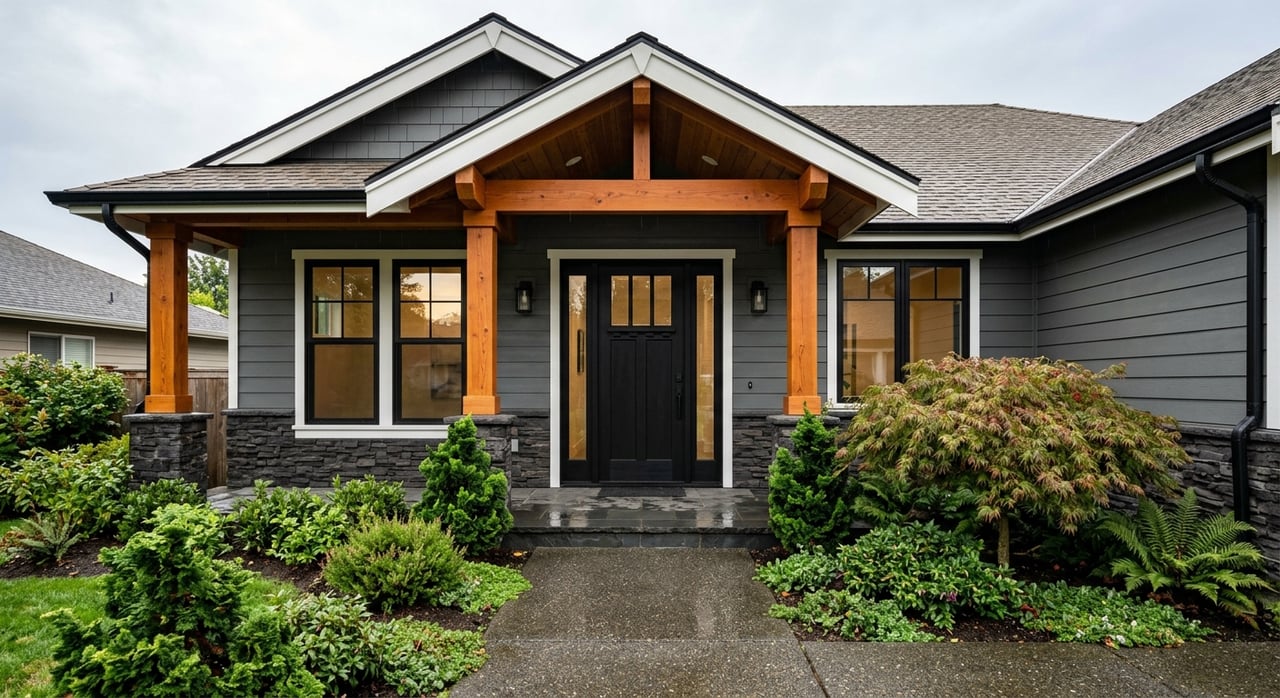
What Living in Issaquah WA Is Like: Trails, Homes, and Town Life
Wondering what daily life in Issaquah really feels like? If you want a place that blends quick access to nature with everyday convenience, Issaquah stands out on the Eastside for exactly that balance. From trailheads and open space to a historic town center and a growing mix of housing options, there is a lot to know before you make a move. Let’s dive in.
Issaquah sits about 17 miles east of downtown Seattle and roughly eight miles from Bellevue and Redmond, which helps explain why it appeals to people who want Eastside access without giving up a more grounded, neighborhood-scale feel. The city also leans into its identity as “Trailhead City,” which gives you a good sense of the lifestyle it promotes.
What makes Issaquah feel different is the mix of historic character and modern planning. Olde Town reflects the city’s earlier street pattern and small-scale business core, while Central Issaquah is being shaped into a more walkable, mixed-use area with pedestrian-oriented streets and connected parks and open space.
If you are trying to picture everyday life here, think in terms of a few key hubs. Many residents move between trail access, Olde Town errands, and the commercial areas in Central Issaquah as part of a normal week.
For many buyers, trail access is one of Issaquah’s biggest draws. The city says it has more than 200 miles of trails, more than 60 trailheads, and 1,300 acres of open space, which is a remarkable amount of outdoor access woven into daily life.
That means getting outside does not always have to be a special occasion. Depending on where you live, a walk, run, or ride can feel like a practical part of your routine rather than a weekend-only plan.
Issaquah offers a wide range of outdoor options, from paved regional routes to forested mountain trails. Some of the best-known destinations include:
Beyond trails, the city also highlights Lake Sammamish State Park, the Issaquah Salmon Hatchery, and paragliding on Tiger Mountain as part of the local recreation mix. If outdoor access is high on your priority list, Issaquah gives you a lot of variety close to home.
Issaquah’s town center story is not just about retail convenience. It is also about character, local identity, and how the built environment shapes your day-to-day experience.
Olde Town is Issaquah’s historic downtown district, and it plays a big role in the city’s small-town feel. The area is known for traditional architecture, small-scale businesses, daily services, and an older street pattern that feels different from more suburban commercial areas.
If you value places where errands, coffee, and local stops feel a little more personal, Olde Town is often a meaningful part of Issaquah’s appeal. It gives the city a recognizable center rather than a purely car-oriented layout.
The city’s Creative District extends beyond Olde Town into Gilman Village and NE Gilman Boulevard. This district includes locally owned restaurants, music schools, maker spaces, historic landmarks, and Village Theatre as a cultural anchor.
That wider district adds texture to daily life. Instead of one single shopping destination, you get a cluster of local businesses and cultural spaces spread across a few walkable areas.
Arts and events also help define life in Issaquah’s core. During the summer months, the city highlights downtown ArtWalks, Concerts on the Green, outdoor Shakespeare, and music at the Saturday farmers market.
For you as a buyer, that matters because it points to more than just amenities on a map. It suggests a place where public spaces and local events are active parts of the town center experience.
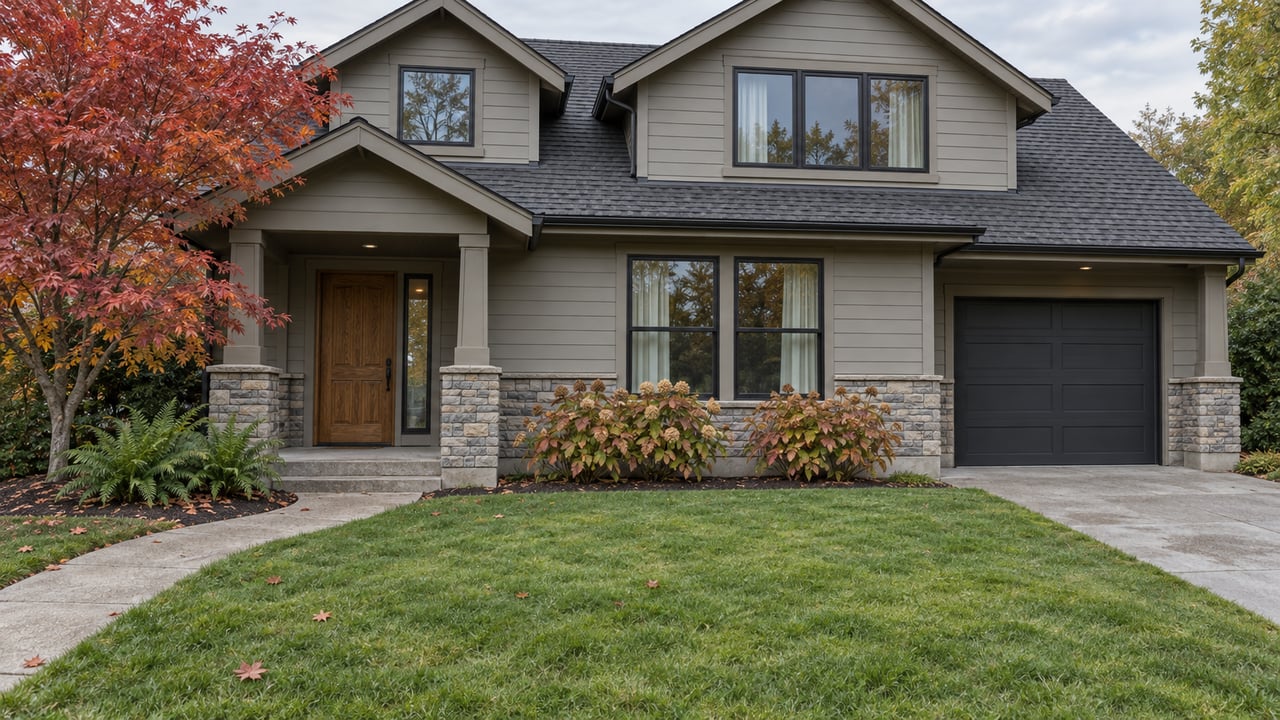
If you have not looked closely at Issaquah in a few years, the housing mix may be broader than you expect. The city notes that Issaquah has grown from a predominantly single-family bedroom community into a place with a wider mix of housing types and services.
That matters whether you are buying your first home, downsizing, relocating, or trying to stay flexible on price point and lifestyle. Issaquah is not just one kind of housing market.
According to a current city development action plan, single-family homes make up 39% of Issaquah’s housing stock, while 61% is higher-density. About 42% is made up of missing-middle housing such as multiplexes, townhouses, and small apartment buildings, and 1-unit attached homes like townhouses account for 16%.
In plain terms, you have more options here than many people assume. Detached homes remain part of the picture, but townhomes, condos, duplexes, and mixed-use residential settings are also important parts of the market.
Central Issaquah includes condo buildings, older homes, townhomes, and duplexes, and the city is encouraging mixed-use redevelopment near transit. That includes a mixed-use, mixed-income transit-oriented development project next to the transit center.
The city has also updated its code to allow middle housing and accessory dwelling units. Over time, that supports a more flexible housing landscape and may create more choices for buyers looking for something other than a traditional detached house.
Issaquah is often attractive to buyers who want access to major job centers while still living in a city with strong outdoor identity. The city identifies two major transit centers and includes a future light rail station in its long-range framing.
That does not mean every part of Issaquah functions the same way, but it does reinforce the city’s role as both a recreation destination and a commuter base. If your work or family life takes you across the Eastside or into Seattle, that broader transportation picture can be part of the appeal.
Issaquah is best understood as a trail-forward Eastside city with a historic main street, active civic life, and a housing mix that is becoming more varied. It offers a combination that many buyers are looking for: access to nature, practical daily convenience, and neighborhood areas that still feel distinct from one another.
If you are comparing Eastside cities, Issaquah may stand out if you want your lifestyle to include both outdoor access and a recognizable town center. It can appeal to buyers who want options, whether that means a detached home, townhome, condo, or a location closer to transit and mixed-use areas.
When you are evaluating a move, the key is not just whether a city sounds appealing on paper. It is whether the layout, housing choices, and day-to-day rhythm match how you actually want to live.
If you are exploring homes in Issaquah or trying to understand which part of the city may fit your goals, working with a local team who can guide you step by step can make the process feel much clearer. Reach out to Diana Patterson for thoughtful, high-touch support as you plan your next move.

Ready for a no-stress, first real estate experience? Connect with the Patterson Real Estate Team and take your next move with clarity and confidence.