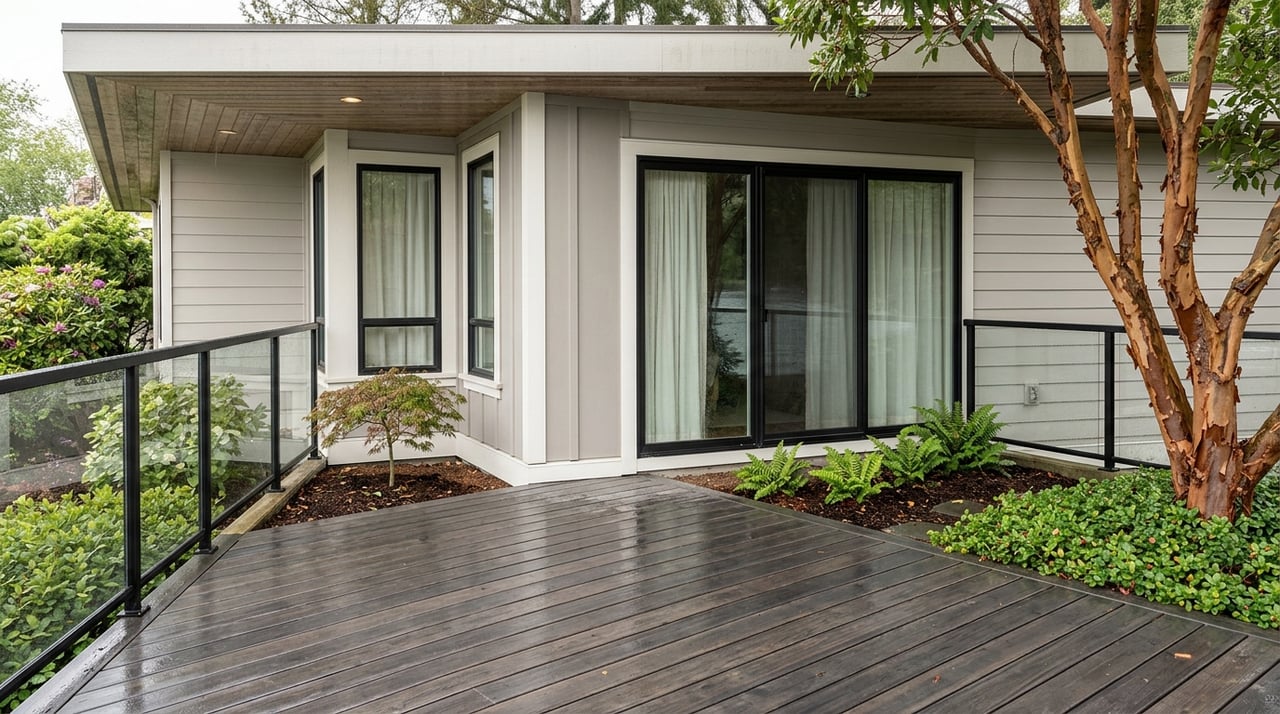
Living in Kirkland WA Near the Water: Area Guide
If you picture Kirkland near the water as one long, uniform shoreline lifestyle, the reality is a little more nuanced. Living close to Lake Washington here can mean walkable downtown energy, a quieter residential pocket, or a beach-centered routine with parks and local services nearby. If you are thinking about buying in this part of Kirkland, it helps to understand how the area actually lives day to day. Let’s dive in.
Kirkland’s waterfront lifestyle is not one single experience. The city describes itself as a lakeside community east of Seattle with water views, a pedestrian-friendly downtown, and strong park access, but the shoreline is made up of distinct submarkets rather than one continuous strip.
That matters because your daily routine can look very different depending on where you land. Some areas put you close to restaurants and errands on foot, while others feel more residential and quiet even though the lake is still a big part of the setting.
Moss Bay is Kirkland’s historic commercial center, and it tends to feel the most urban and active near the water. City planning documents describe a mix of stores, restaurants, services, a marina, single-family pockets, and larger multifamily and mixed-use development.
Housing options here are broader than many buyers expect. The neighborhood plan specifically notes choices like co-housing, residential suites, family-sized apartments, and condominiums, which helps explain why this area often appeals to buyers who want convenience and lower-maintenance living.
Central Houghton feels different from downtown. It is predominantly residential and low-density, with detached single-family homes making up much of the neighborhood.
Apartments and condos are more concentrated near the northern edge by the Houghton/Everest commercial area. In everyday life, that gives much of Central Houghton a calmer, more suburban feel while still keeping you relatively close to the lake and shoreline parks.
Juanita offers another version of near-water living. Its neighborhood plan points to two commercial centers near residential areas, a variety of housing types, and added density focused near transit and amenities.
For many buyers, Juanita can feel like a practical middle ground. You get beach access, parks, and everyday services nearby, with a shoreline lifestyle that may feel more casual and neighborhood-oriented than downtown.
One of the biggest surprises for buyers is how much price and property type can vary near the water in Kirkland. This is not a one-price-fits-all market, and your options may shift a lot depending on whether you want a condo, a detached home, or a property with stronger water proximity.
A current listing snapshot shows that variation clearly. Realtor.com reports median listing prices of about $922,500 in Moss Bay, about $985,000 in South Juanita, and about $2.14 million in Central Houghton.
That snapshot does not mean every home fits neatly into those numbers, but it does show how broad this submarket can be. In practical terms, you may find condo-heavy options in one near-water pocket and much higher-priced detached homes in another.
For many people, the real draw is not just the view. It is the rhythm of daily life that comes with quick access to parks, beaches, walking routes, and the lake itself.
Kirkland’s shoreline includes a mix of public parks, trails, docks, and private property. The city’s Shoreline Master Program says public access is a preferred shoreline use, but access can be physical or visual, and it does not allow trespassing on private property.
That means living near the water often gives you frequent ways to enjoy Lake Washington without every stretch of shoreline being open to the public. It is a lifestyle built around shared access points, planned parks, and the understanding that some shoreline remains private.
Kirkland has dozens of parks, including several key waterfront spaces. Some of the best-known shoreline parks include Marina Park, David E. Brink Park, and Doris Cooper Houghton Beach Park.
Marina Park is one of the city’s signature waterfront destinations. It includes a boat launch, moorage, a sandy beach, public art, an open-air pavilion, summer concerts, and the city’s July 4 celebration.
Houghton Beach Park supports a more relaxed beach-day routine. The city lists a playground, picnic areas, a sand volleyball court, and a seasonal swimming area.
Juanita Beach Park is another major draw, especially for households who want room to spread out. It includes picnic shelters, a fenced off-leash dog area, and the Juanita Friday Market, which runs from 3 to 7 p.m. every Friday in season.
The waterfront in Kirkland feels active, but it is also structured. The city operates three guarded swimming beaches at Houghton, Waverly, and Juanita, with lifeguards on duty daily from July 1 through September 7 from 12:00 to 6:00 p.m.
Park rules shape the experience too. Waterfront parks close at 10 p.m., dogs must be leashed in most areas, and swim areas are designated.
These details may sound small, but they affect how you use the shoreline. If waterfront access is a big part of why you want to live here, it helps to know what is available year-round and what feels more seasonal.
One of the strongest advantages of living near the water in Kirkland is convenience, especially in the more mixed-use pockets. The city describes downtown Kirkland as a pedestrian-friendly area with boutiques, locally owned coffee shops, health and beauty services, and award-winning dining.
That kind of convenience is not spread evenly across every shoreline-adjacent neighborhood. Day-to-day errands are generally easier in downtown and Moss Bay, and in parts of Juanita, than in more purely residential areas.
If your ideal routine includes walking to coffee, grabbing dinner nearby, or pairing errands with a waterfront stroll, downtown-oriented locations may feel like the best fit. If you prefer more separation between home and activity, a quieter residential pocket may suit you better.
Near-water living in Kirkland also comes with a practical reality: parking matters. This is especially true in and around downtown, parks, and popular shoreline gathering spots.
The city is piloting a real-time downtown parking map for on-street spaces and lots, including Lakeshore, Lake, Central, Houghton Beach Park, and Marsh Park. Marina Park has a paid lot for about 75 vehicles, while Houghton Beach Park has a smaller lot with 30-plus spaces.
For you, that means waterfront convenience can come with some friction during busy times. If you are buying a condo or home where guest parking, street parking, or beach access logistics matter, those details deserve attention early.
Waterfront living can feel like an everyday escape, but it is not disconnected from the rest of the Eastside. Kirkland’s transportation plan says the city is served by transit routes connecting to Seattle, Bellevue, Redmond, Lynnwood, and other destinations.
At the same time, the city notes that I-405 is the only freeway in Kirkland and congestion on busy roadways is expected to persist. In other words, near-water living here is well connected, but not traffic-free.
Kirkland Transit Center is an important regional hub. Current transit maps show Route 245 connecting Kirkland with Overlake, Bellevue College, and Eastgate, while Route 250 connects Kirkland with Redmond and Bellevue.
King County Metro also says the planned RapidRide K Line is expected to connect Totem Lake, downtown Kirkland, downtown Bellevue, and Eastgate by 2030. For buyers who want options beyond driving, that future connection may be part of the appeal.
For car commuters, SR 520 is a major piece of the puzzle because it connects Seattle and Bellevue, and the corridor runs from I-405 in Bellevue to I-5 in Seattle. Kirkland’s transit plan also notes that South Kirkland Park & Ride and Kirkland Transit Center include parking, shelters, bicycle parking, and EV charging.
That supports a mixed commute for some households. Depending on where you work, living near the water may pair well with driving part of the trip and using transit for the rest.
If you want to buy near the water in Kirkland, preparation matters. Multiple market snapshots point to a high-price, fast-moving environment.
Redfin says Kirkland is very competitive, with homes receiving about two offers on average and selling in around 13 days. Zillow reports an average home value of about $1.25 million and homes going pending in around 15 days, while Realtor.com places the median listing price around $1.3 million.
For buyers, that usually means you will want your search criteria, financing plan, and decision-making process lined up before you start touring seriously. That is especially true if you are hoping for a view home, a low-maintenance condo, or a property where parking and shoreline access are limited.
Living near the water in Kirkland offers a lot to love. You get close access to Lake Washington, a strong park system, and in some areas an easy blend of recreation, dining, and everyday convenience.
But this lifestyle also comes with tradeoffs. Costs are higher, parking can be tight, shoreline access is shared rather than universal, and beach use follows seasonal schedules and park rules.
For many buyers, that balance is still worth it. If your ideal day includes lake views, a waterfront walk, or time at the beach park after work, Kirkland’s near-water neighborhoods can deliver a lifestyle that feels both scenic and connected.
If you are thinking about buying in Kirkland near the water, the best next step is to get clear on what matters most to you. Walkability, quieter streets, condo living, detached home options, commute patterns, and park access can each point you toward a different part of the shoreline.
A calm, well-prepared plan can make a big difference in a market like this. If you want help sorting through Kirkland neighborhoods and building a smart strategy, reach out to Diana Patterson for thoughtful guidance tailored to your goals.

Ready for a no-stress, first real estate experience? Connect with the Patterson Real Estate Team and take your next move with clarity and confidence.