How to Sell a Starter Home in Kent With Confidence
Selling your first home can feel simple in theory and overwhelming in real life. You want to move quickly, protect your equity, and avoid spending money in the wrong places. If you are getting your Kent starter home ready to sell, the good news is that the right plan can make the process feel much more manageable. Let’s walk through what to do before you list so your home shows well, your paperwork is in order, and your launch starts strong.
Kent sellers are entering a market that can still move fast, but buyers have more choices than they did when inventory was tighter. NWMLS reported that King County had 3.00 months of inventory in April 2026, which is still below the 4 to 6 month range often seen as balanced. At the same time, active listings across the NWMLS service area were up 28.4% year over year.
That means your home may still attract attention quickly, but it needs to be ready from day one. Zillow estimated Kent’s average home value at $657,911 as of April 30, 2026, with homes going pending in around 11 days and a median sale price of $600,167. In a market like that, the first week matters.
Before you paint, pack, or book photos, it helps to build a clear plan. A starter home sale usually goes more smoothly when you decide early what needs to happen, who will handle it, and how long each step may take.
A solid pre-list plan often includes:
When these pieces are handled in the right order, the whole process feels less rushed.
For most Kent starter homes, the highest-value prep is not a major remodel. It is usually the visible, lower-cost work that helps buyers picture themselves living there. That often means less stuff, cleaner surfaces, brighter finishes, and fewer obvious distractions.
NAR’s 2025 staging research found that 83% of buyers’ agents said staging made it easier for buyers to visualize a home as their future space. Even when full staging is not part of the plan, many agents still recommend decluttering and fixing property faults first.
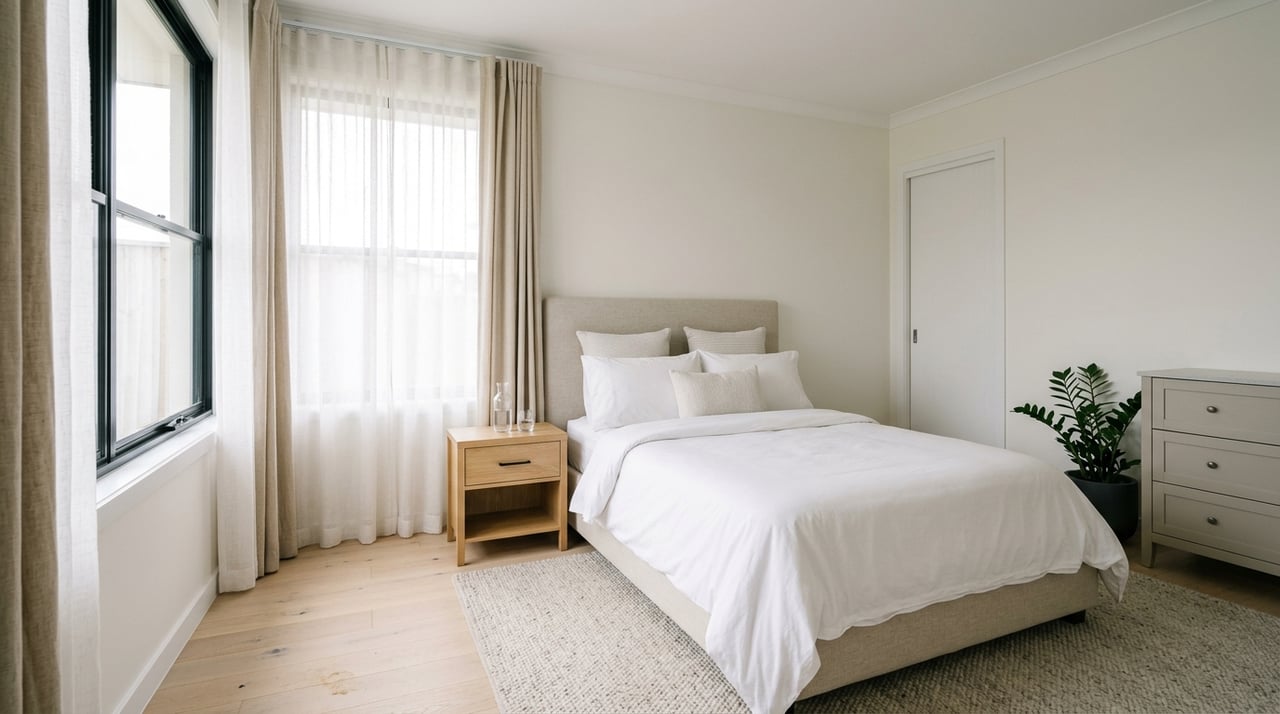
Decluttering is one of the most important first steps because it changes how space feels in person and in photos. Smaller homes especially benefit from a cleaner, more open look.
As you prepare, try to:
The goal is not to make your home look empty. The goal is to help buyers see the space, storage, and layout clearly.
If your home needs freshening, cosmetic work can go a long way. Kent says no permit is needed for cosmetic improvements such as painting, papering, tiling or carpeting, cabinets, countertops, and similar finish work.
That can make light updates more realistic before listing. Fresh paint, updated flooring in worn areas, and simple finish improvements often make a stronger impact than expensive projects that are harder to finish on time.
One of the biggest mistakes sellers make is assuming all pre-list work is minor. In Kent, permits are required for most construction, alteration, or repair work involving structure, living space, or electrical, gas, mechanical, or plumbing systems.
Even when a permit is not required, the work still has to meet applicable codes. If you are thinking about more than cosmetic work, it is smart to confirm requirements before scheduling the job.
If you bring in contractors, Kent advises homeowners to use a registered contractor. The city also notes that contractors working inside Kent need a City of Kent business license.
This is one reason prep work should start early. Vendor availability, permit questions, and scheduling can affect your listing timeline more than many sellers expect.
In Washington, seller disclosures are not something to leave until the last minute. State law says a completed, signed, and dated disclosure statement must be delivered no later than five business days after mutual acceptance, unless an exemption or waiver applies. After delivery, the buyer has three business days to accept it or rescind the agreement.
In practical terms, that means your disclosure form should be part of your pre-list preparation. It can help you spot missing paperwork, old repairs, or property details that need clarification before your home goes live.
Washington’s disclosure form asks about issues that often come up during pre-list prep and inspection. That includes roof leaks, basement flooding, additions or remodels, whether permits and final inspections were obtained, sewer or septic details, HOA assessments, drainage issues, environmental concerns, and more.
The form instructions also say not to leave blanks, to use NA when something does not apply, and to attach explanations for yes answers. That is a strong reason to gather records early, including:
Having these ready can make the transaction feel smoother and reduce stress once an offer comes in.
If your Kent home was built before 1978, there is another important step. Federal law requires sellers to disclose known lead-based paint or lead-based paint hazards before the sale contract is signed.
That requirement also includes providing the EPA/HUD pamphlet and giving the buyer a 10-day opportunity to conduct a paint inspection or risk assessment. If your home is older, it helps to confirm this early so nothing gets missed later.
Staging is not only about making a home look nice. It helps buyers understand how a room functions and how their own furniture and routines might fit into the space.
According to NAR’s 2025 Profile of Home Staging, 29% of sellers’ agents said staging led to a 1% to 10% increase in the dollar value offered, and 49% said it reduced time on market. The rooms staged most often were the living room, primary bedroom, and dining room.
If you do not want to stage every room, focus on the spaces buyers notice first. For many starter homes, that means emphasizing comfort, flow, and usable square footage.
Start with:
NAR also reported a median cost of $1,500 for using a staging service, compared with $500 when the seller’s agent handled the staging. The right approach depends on your budget, timeline, and how much help you want.
Preparation and pricing work together. Even a well-presented home can lose momentum if the price does not match current market conditions.
In a market where active listings have increased, pricing from the start matters. The current Kent and King County data suggest sellers have opportunity, but not much room for a trial-and-error launch that gets corrected later.
A strong pricing strategy should consider:
If your goal is a quicker sale, a more competitive price can help. This is also one reason many sellers choose an agent. NAR’s 2025 seller research says top reasons homeowners choose an agent include help marketing the home, pricing it competitively, and selling within a specific timeframe.
It is tempting to list as soon as the house is mostly done. In today’s market, mostly done is often not the same as market-ready.
NWMLS reported that pending sales rose 3.2% month over month in April 2026, while King County remained at 3.00 months of inventory. That combination suggests there is still buyer activity, but your home needs to make a strong impression immediately.
A clean, repaired, well-staged, professionally photographed listing usually gives you a better shot than going live early and fixing issues as you go. Your first week on the market should feel intentional, not experimental.
When you are selling a starter home, you are often doing more than one thing at once. You may be preparing for your next purchase, managing a move, working full time, or trying to keep daily life on track while your home gets market-ready.
That is why a coordinated listing process can make such a big difference. NAR reports that 91% of sellers used a real estate agent in the last year, and sellers who skip professional help often struggle most with pricing, prep, and timing.
For many homeowners, the real value is not just advice. It is having someone help coordinate staging decisions, contractor timing, marketing prep, disclosures, and deadlines so the process feels calmer and more organized.
If you are thinking about selling your Kent starter home, the easiest first step is a clear plan. With the right guidance, you can focus on the updates that matter, avoid common paperwork problems, and launch with confidence instead of guesswork. When you are ready for thoughtful pricing, prep support, staging coordination, and a step-by-step listing strategy, reach out to Diana Patterson.

Ready for a no-stress, first real estate experience? Connect with the Patterson Real Estate Team and take your next move with clarity and confidence.